








In most forced house sales in the UK, legal fees are usually paid by the homeowner and taken from the sale proceeds. However, this is not always the case. Who ends up paying depends on why the property is being sold, whether the sale is court-ordered, and the legal agreements involved.
Forced house sales often happen during difficult situations such as mortgage repossession, divorce, or debt enforcement, which can make legal costs confusing and overwhelming. Knowing who is responsible for legal fees, how those costs are calculated, and when they are deducted can help you avoid unexpected financial pressure.
This guide clearly explains who pays legal fees in a forced house sale, how the process works in the UK, and what you should expect at each stage using simple language and practical explanations. This guide explains who pays legal fees in a forced house sale and how costs are handled in different UK scenarios.
But It Is Uncommon to Find Yourself in the Same Situation When Selling
No two forced house sales are identical. Even when two properties are sold under similar legal pressure, the financial outcomes can be very different.
Legal fees depend on:
- The reason the sale is forced
- Whether the lender, court, or another party initiates the sale
- How early action is taken
- Whether court proceedings are involved
- The final sale price of the property
This is why some sellers lose a significant portion of their equity, while others manage to reduce costs by acting early and selling before legal escalation.
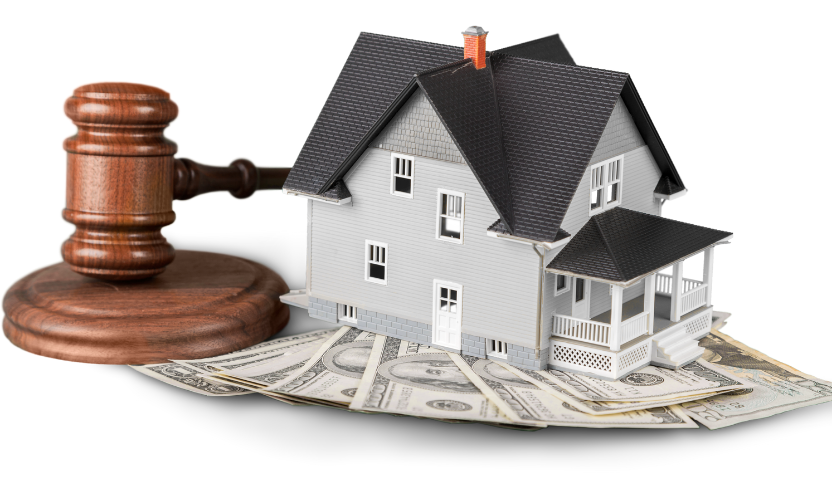
What Is a Forced House Sale in the UK?
A forced house sale occurs when a property is sold without the owner’s voluntary decision, usually due to legal or financial pressure.
In the UK, forced sales typically happen when:
- A mortgage lender repossesses a property
- A court orders the sale of a property
- A property must be sold as part of a divorce settlement
- Creditors enforce debts through charging orders or bankruptcy
Unlike a standard property sale, forced sales often involve legal proceedings, which is why legal fees play such a major role.
Common Reasons for Forced House Sales
Mortgage Repossession
This is the most common cause of forced house sales. When mortgage repayments fall into arrears and no solution is reached, lenders may apply to the court for possession of the property.
Once possession is granted, the lender has the legal right to sell the property to recover the outstanding debt.
Court-Ordered Property Sales
Courts can order a property to be sold in various situations, including:
- Debt disputes
- Inheritance disagreements
- Co-ownership conflicts
In these cases, the court controls how the sale proceeds are distributed.
Divorce or Separation
If separating partners cannot agree on what to do with a jointly owned property, a court may order the house to be sold. This is considered a forced sale even though both parties may benefit from the proceeds.
Debt Enforcement and Charging Orders
Creditors can apply for a charging order against a property if debts remain unpaid. In some cases, this leads to an order for sale, forcing the property to be sold to clear the debt.
Who Pays Legal Fees in a Forced House Sale?
The short answer: in most UK forced house sales, legal fees are paid by the homeowner and recovered from the sale proceeds. However, responsibility can differ depending on the situation.
Mortgage Repossession Cases
In repossession cases:
- The lender incurs legal fees to obtain possession and sell the property
- These fees are added to the mortgage debt
- Legal costs are recovered from the sale proceeds
- Any remaining balance (or shortfall) remains the homeowner’s responsibility
This means homeowners often pay legal fees indirectly, even if they do not pay them upfront.
Court-Ordered Sales
For court-ordered sales:
- Legal fees are usually paid from the sale proceeds
- Courts prioritise costs such as legal fees, court fees, and enforcement charges
- Remaining funds are distributed according to the court’s decision
If proceeds are insufficient, the court may decide who remains liable for unpaid costs.

Divorce-Related Forced Sales
In divorce cases:
- Legal fees are often shared between both parties
- Courts may allocate costs based on ownership shares
- Fees are commonly deducted before proceeds are divided
Responsibility depends heavily on the divorce settlement and court orders.
Debt Enforcement and Charging Orders
When a forced sale occurs due to debt:
- Creditors recover legal costs from the sale proceeds
- Priority debts and costs are paid first
- Any remaining balance may still be owed by the homeowner
Are Legal Fees Deducted From the Sale Proceeds?
Yes. In most forced house sales, legal fees are deducted directly from the sale proceeds before the homeowner receives any remaining funds.
Typically, sale proceeds are distributed in this order:
- Court fees and enforcement costs
- Solicitor and legal fees
- Mortgage or secured debts
- Remaining balance (if any) to the homeowner
This explains why sellers often receive less than expected, even when a property sells for a reasonable price.
What Happens If the Sale Price Does Not Cover Legal Costs?
If the sale price does not fully cover legal fees and debts:
- The remaining balance becomes a shortfall
- The homeowner is usually still responsible for this shortfall
- Interest may continue to accrue on unpaid amounts
This is common in repossessions where properties sell below market value due to urgency or auction conditions.
Breakdown of Legal Fees in a Forced House Sale
Legal costs vary depending on complexity, location, and duration of proceedings. Common legal fees include:
- Solicitor fees for possession and sale
- Court application and hearing fees
- Bailiff or enforcement agent costs
- Conveyancing fees
- Estate agent fees (if applicable)
These costs can increase significantly if the sale is delayed or contested.
Hidden Legal Costs Most Sellers Do Not Expect
Many sellers underestimate how quickly legal costs can rise in forced sales.
Hidden or overlooked costs often include:
- Additional solicitor correspondence fees
- Interest added during prolonged legal proceedings
- Enforcement escalation charges
- Administrative fees charged by lenders
- Costs related to missed court deadlines
These expenses make early action especially important.
Can Legal Fees Be Negotiated or Reduced?
In some situations, legal fees can be reduced, but not always eliminated.
Possible options include:
- Negotiating early settlement before court action
- Selling the property voluntarily before repossession
- Challenging excessive or incorrect charges
- Requesting a detailed breakdown of legal fees
Once court proceedings are advanced, flexibility becomes limited.
How to Reduce Legal Fees in a Forced House Sale
The most effective way to reduce legal fees is acting early.
Steps that can help minimise costs:
- Selling before repossession proceedings complete
- Avoiding court escalation
- Resolving disputes through agreement rather than litigation
- Choosing a fast, experienced property buyer to reduce delays
Speed and clarity often reduce both legal fees and emotional stress.
How Xtreme Properties Helps With Forced House Sales
Xtreme Properties works with homeowners facing forced sales by offering:
- Fast property sales to avoid court escalation
- Clear communication throughout the process
- Support during repossession, divorce, or debt situations
- Solutions designed to reduce legal delays and associated costs
By selling earlier and efficiently, many sellers are able to protect more of their equity and avoid unnecessary legal expenses.
Frequently Asked Questions
Do buyers ever pay legal fees in a forced house sale?
Buyers usually pay their own conveyancing costs. Seller legal fees are rarely transferred to buyers unless specifically negotiated.
Can legal fees be challenged in the UK?
Yes. Homeowners can request itemised bills and challenge unreasonable or incorrect legal charges through appropriate legal channels.
How long does a forced house sale take?
Timeframes vary. Some sales take a few months, while others extend beyond a year if court proceedings are involved.
Can a forced sale be stopped once legal fees start?
In some cases, yes. Clearing arrears, negotiating settlements, or selling voluntarily may stop further legal action.
Will legal fees affect my credit record?
Unpaid debts and repossession can impact credit scores, but legal fees themselves are usually linked to the underlying debt rather than reported separately.
Conclusion
In the UK, legal fees in a forced house sale are usually paid by the homeowner through deductions from the sale proceeds, but responsibility can vary depending on the circumstances. Mortgage repossessions, court-ordered sales, divorce cases, and debt enforcement each follow different legal pathways.
Understanding how legal fees work, when they are deducted, and how they can escalate allows homeowners to make better decisions. Acting early and seeking practical solutions often reduces both financial loss and legal stress.
For homeowners facing forced sales, early professional support can make a significant difference. Understanding who pays legal fees in a forced house sale can help homeowners make informed decisions and reduce financial stress.
