







If you’re asking yourself “why is no one viewing my house?”, you’re not alone. Many UK homeowners put their property on the market, instruct an estate agent, prepare everything carefully and then hear nothing. No calls. No bookings. No serious interest.
When your house is not getting viewings, it usually points to a mismatch between price, presentation, positioning, or market conditions. The good news is that in most cases, there is a clear reason behind the lack of activity and once identified, it can often be corrected.
This guide explains in detail why a property may not be attracting buyers in the UK market, what the data suggests about normal viewing levels, and what practical steps you can take if your home is struggling to generate interest.
How Many Viewings Should You Expect in the UK?
Before assuming something is wrong, it’s important to understand what “normal” looks like.
In a balanced UK property market:
- Most competitively priced homes generate enquiries within the first 7–14 days.
- The first 2–4 weeks are critical for momentum.
- If priced correctly, properties often receive multiple viewings early on.
- Average days on market typically range between 6–12 weeks depending on location and demand.
However, market conditions matter. Rising mortgage rates, reduced buyer confidence, and increased housing supply can slow viewing activity across the board.
If your house has had zero or very few viewings after 3–4 weeks, it usually indicates one or more underlying issues that need addressing.
12 Real Reasons Why No One Is Viewing Your House
1. Your Asking Price Is Too High
Overpricing is the most common reason a house is not getting viewings.
Estate agents sometimes overvalue properties to win instructions. While this may feel reassuring initially, an inflated asking price can push your property outside the range buyers are willing to consider.
Buyers compare listings carefully. If similar homes nearby have sold for less, your property may simply be ignored.
To assess this:
- Check recently sold prices (not just asking prices).
- Compare like-for-like properties.
- Consider whether supply in your area has increased.
Pricing realistically at launch is crucial because early momentum drives interest.
2. You’re in the Wrong Price Band
Property portals like Rightmove and Zoopla use price filters. Buyers often search within fixed brackets (e.g. £250,000–£300,000).
If your home is listed at £305,000, it won’t appear in searches capped at £300,000. Even small differences like £300,000 versus £299,950 can affect visibility.
This “price band psychology” significantly impacts how many people see your property online.
3. The Stale Listing Effect
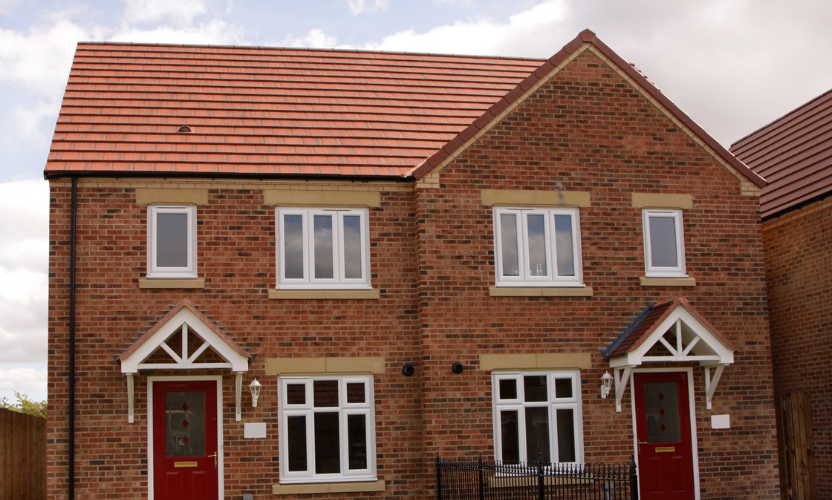
If a property has been on the market for several weeks without adjustment, it can develop what agents call a “stale listing” effect.
Buyers may assume:
- Something is wrong.
- It’s overpriced.
- There are hidden issues.
Additionally, portal algorithms may push newer listings higher, reducing visibility for older properties.
If your house has been listed for 6–8 weeks with no change in strategy, interest may naturally decline.
4. Poor Photography
Online images are often the first impression buyers have of your home.
Low-quality photos can:
- Reduce emotional connection.
- Make rooms appear smaller.
- Fail to highlight natural light.
- Decrease click-through rates.
Professional photography, clear lighting, and proper staging significantly improve viewing bookings.
5. Weak Property Description or Missing Information
Buyers expect clear, detailed listings. Missing information can discourage serious enquiries.
Important details include:
- EPC rating
- Floorplan with measurements
- Council tax band
- Tenure (leasehold or freehold)
- Recent upgrades or renovations
Incomplete descriptions may attract fewer serious buyers and reduce confidence.
6. Your Estate Agent Isn’t Proactive
Not all estate agents operate with the same level of urgency or marketing strategy.
Warning signs include:
- Poor communication.
- No feedback after listing.
- Limited promotion beyond portals.
- Lack of follow-up with registered buyers.
An effective agent should actively match your property with suitable buyers and regularly review strategy.
7. Market Conditions Have Shifted
External factors influence buyer demand:
- Rising interest rates reduce affordability.
- Economic uncertainty lowers confidence.
- Increased local supply creates competition.
Even well-presented properties can struggle during slower market periods.
Understanding broader UK property market trends helps set realistic expectations.
8. Too Much Local Competition
If many similar homes are available nearby, buyers have more choice.
In competitive areas:
- Buyers compare prices closely.
- Small pricing differences matter.
- Condition and presentation become critical.
Standing out may require improved staging or repositioning the price.
9. The Property Needs Work
Even minor maintenance issues can reduce perceived value.
Buyers often factor renovation costs into their decisions. Visible problems such as outdated kitchens, poor décor, or structural concerns can deter viewings.
Addressing small repairs and improving kerb appeal can make a noticeable difference.
10. Legal or Structural Complications
Certain issues may limit buyer interest:
- Restrictive covenants
- Planning permission concerns
- Leasehold complexities
- Building regulation breaches
- Ongoing property chain risks
If complications are visible in listings or disclosed early, buyers may hesitate.
11. Poor Timing
The UK property market has seasonal fluctuations.
Viewing activity can slow:
- During winter months.
- Around major holidays.
- During periods of economic uncertainty.
Timing alone rarely causes zero viewings, but it can contribute.
12. You’re Targeting the Wrong Buyer Type
Every property appeals to a specific demographic.
For example:
- A city flat may attract investors or professionals.
- A family home appeals to buyers with children.
- A renovation project attracts developers.
If marketing is not aligned with the right audience, interest may be limited.
How Long Should You Wait Before Reducing the Price?
The first two weeks on the market are critical. If there is no serious interest within 3–4 weeks, it may indicate the price is above market expectations.
Rather than making multiple small reductions, a strategic adjustment (often 2–5%) can reposition the property more effectively.
Repeated reductions over time can reinforce the perception that something is wrong.
Should You Change Estate Agents?
Changing agents may be worth considering if:
- There has been no structured feedback.
- Marketing quality is weak.
- Communication is inconsistent.
- The agent overvalued significantly at instruction.
However, always review tie-in contracts before switching.
What If You Need to Sell Quickly?
If your property has been on the market for months with no viewings, and you need certainty, traditional estate agent sales may not be the most suitable option.
Alternative routes include:
- Cash house buyers
- Property auctions
- Off-market investor sales
- Chain-free transactions
These methods often remove the need for repeated viewings and reduce uncertainty.
Estate Agent Sale vs Cash Buyer
| Factor | Estate Agent | Cash Buyer |
| Timeframe | 3–6+ months | 7–28 days |
| Viewings Required | Yes | No |
| Chain Risk | High | None |
| Certainty | Moderate | High |
For homeowners facing financial pressure, relocation deadlines, probate, or inherited properties, a quicker solution may provide peace of mind.
Frequently Asked Questions
Why is my house not getting any viewings?
The most common reasons are overpricing, poor presentation, weak marketing, or challenging market conditions. Reviewing comparable sales and your listing quality is the first step.
How many viewings should I expect in the first month?
In normal UK market conditions, competitively priced homes typically receive multiple enquiries within the first 2–4 weeks.
Should I reduce the price if no one is viewing?
If there has been little to no interest after several weeks, a strategic price reduction may improve visibility and reposition the property.
Does a bad EPC rating affect viewings?
Yes. Lower EPC ratings can discourage buyers concerned about energy costs and future regulations.
What happens if my house stays on the market too long?
Extended market time can reduce buyer confidence and create the “stale listing” effect, making the property harder to sell.
When should I consider a cash buyer?
If time is critical, legal complications exist, or traditional marketing has failed to generate interest, a cash buyer may provide speed and certainty.
Final Thoughts
If you’re wondering why no one is viewing your house, the issue is rarely random. In most cases, it relates to price positioning, presentation, market conditions, or agent strategy.
The key factors that drive viewings are:
- Accurate pricing based on sold data.
- Strong first impressions online.
- Clear, complete listing information.
- Early momentum within the first few weeks.
In slower markets, patience and strategy adjustments may solve the problem. However, if your property has remained on the market for months without serious interest and you need certainty, exploring alternative selling options may be sensible.
Understanding the root cause allows you to take informed action rather than waiting indefinitely.
With the right adjustments whether price repositioning, marketing improvements, or considering a quicker route most properties can move from “no viewings” to renewed interest and eventual sale.
