




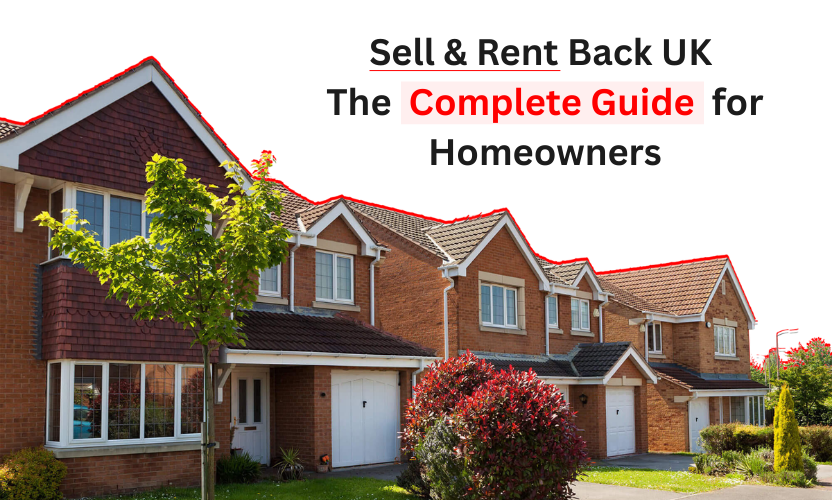


Selling a property is rarely simple, but when it comes to larger homes, many UK sellers find the process slower and more complex than expected. So, are bigger houses harder to sell in the UK in 2026?
The short answer is: generally, yes, but it depends on market conditions, pricing strategy, buyer demand and property presentation.
In today’s UK property market, affordability pressures, mortgage rates, running costs and shifting buyer priorities all influence how quickly a large property sells. While size alone does not determine success, it can reduce the pool of potential buyers and increase time on the market.
In this 2026 market guide, we break down how bigger houses perform compared to smaller homes, why detached and 4–5 bedroom properties often take longer to sell, and what practical steps you can take to improve your chances of securing a faster sale.
Are Bigger Houses Harder to Sell in the UK in 2026?
Broadly speaking, bigger houses can be harder to sell in the UK, particularly when compared to two- or three-bedroom homes. This trend is largely driven by buyer demand.
Three-bedroom terraced and semi-detached houses consistently attract strong interest because they suit a wide range of buyers. First-time purchasers, growing families and even investors often target this segment. Larger detached homes, by contrast, appeal to a narrower group of higher-income buyers.
In 2026, the gap in demand has become more noticeable due to tighter affordability checks from mortgage lenders and greater sensitivity to ongoing household costs. While a spacious property remains desirable, many buyers are prioritising financial stability over additional square footage.
That said, a bigger house in a prime location with competitive pricing can still sell successfully. The challenge lies in understanding how current market dynamics influence buyer behaviour.

Why Do Bigger Houses Take Longer to Sell?
The reason larger homes often take longer to sell is not simply their size, but the financial and practical implications that come with it.
A Smaller Buyer Pool
A higher asking price immediately reduces the number of eligible buyers. Many households simply do not require four or five bedrooms, and those who do must meet stricter affordability criteria. As family sizes have gradually reduced and downsizing has become more common among older homeowners, demand for very large properties has stabilised rather than expanded.
When demand is concentrated around smaller, more affordable properties, larger homes may naturally experience fewer viewings and longer negotiation periods.
Mortgage Affordability Pressures
Mortgage affordability plays a major role in how quickly a property sells. Larger houses require higher loan amounts and bigger deposits. In 2026, lenders continue to apply detailed income and expenditure checks before approving larger mortgages.
Even buyers with strong incomes often calculate long-term repayment costs carefully. When interest rates rise or economic confidence weakens, purchasers may decide to scale down their ambitions. Instead of stretching for a detached five-bedroom home, they may opt for a more modest property that offers financial breathing room.
This cautious mindset can reduce competition for larger homes and extend time on the market.
Running Costs and Energy Efficiency
Beyond the purchase price, bigger houses typically come with higher ongoing expenses. Energy bills, council tax bands, maintenance costs and insurance premiums all increase with property size.
Energy efficiency is now a significant factor in buyer decisions. A large home with a poor EPC rating can deter cost-conscious buyers who are concerned about heating and insulation expenses. Even well-priced properties can struggle if potential purchasers anticipate substantial monthly outgoings.
As a result, sellers of larger homes must recognise that buyers are not only evaluating the asking price but also the total cost of ownership.
Pricing Strategy and Market Positioning
One of the most common reasons a big house fails to sell quickly is unrealistic pricing. Sellers often attach emotional value to larger properties, especially if significant renovation work has been carried out.
However, today’s buyers are well informed. They compare similar properties, analyse sold prices and quickly recognise when a listing appears overpriced. When a large house remains unsold for an extended period, it can lose momentum and attract lower offers later.
Accurate valuation based on comparable sales is particularly important for detached and high-value properties.
Detached vs Smaller Homes: A Market Comparison
In many parts of the UK, detached houses generally take longer to sell than terraced or semi-detached homes. This is primarily due to affordability and demand patterns rather than a lack of desirability.
Terraced and semi-detached homes often attract multiple buyer groups, including first-time buyers and landlords. Detached houses, which are typically larger and more expensive, depend on a more limited segment of financially qualified purchasers.
However, this trend is not universal. In areas with strong employment markets, good schools and limited detached housing stock, larger homes can perform well. Regional demand, local amenities and competition from similar properties all influence outcomes.
Does Location Matter More Than Size?
Location can outweigh size when it comes to selling speed. A large home situated in a desirable neighbourhood with strong transport links, reputable schools and attractive amenities may sell faster than a smaller property in a less favourable area.
In contrast, a big house located in an area with limited amenities or high competition from similar properties may struggle to attract sustained interest. Buyers at higher price points tend to be selective and patient, waiting for the right property rather than compromising.
Understanding local demand is therefore just as important as considering overall UK housing trends.
Common Challenges When Selling a Large House
Larger homes face specific hurdles that smaller properties may avoid. Outdated interiors, visible maintenance issues and poor presentation can have a greater impact when expectations are higher. Buyers considering a substantial investment expect quality finishes, modern kitchens and well-maintained exteriors.
Presentation also plays a key role. Professional photography, strong kerb appeal and clear, well-written property descriptions can significantly influence online engagement. In competitive markets, poor imagery or limited detail can reduce viewing requests.
In addition, sellers must be mindful of market timing. Economic uncertainty or shifting buyer sentiment can disproportionately affect higher-value homes.
How to Sell a Large House Faster in 2026
Although larger houses may take longer to sell, there are effective ways to improve results.
A realistic pricing strategy is the foundation of any successful sale. Reviewing recently sold properties in your area provides a clearer benchmark than relying on active listings alone. Setting an accurate price from the outset can generate stronger early interest and reduce the need for later price reductions.
Improving presentation can also make a noticeable difference. Decluttering large spaces helps buyers visualise how rooms can be used. Addressing minor repairs and enhancing kerb appeal can strengthen first impressions, both online and in person.
Highlighting energy efficiency features is increasingly important. If the property benefits from modern insulation, double glazing or an updated heating system, these details should be emphasised in marketing materials.
Flexibility with viewings can further increase exposure. Buyers at higher price points often require additional time for decision-making and financial planning, so accommodating schedules may improve your chances.

When Alternative Selling Options May Be Worth Considering
For some homeowners, waiting several months for the right buyer is not practical. Circumstances such as relocation, divorce, inheritance or financial pressure may require a faster solution.
In these cases, exploring alternative selling routes can provide greater certainty. Cash house buyers, for example, do not rely on mortgage approval and can often complete transactions more quickly. This approach may be particularly relevant if a large house has been on the market without success or if a property chain has collapsed.
While traditional estate agent sales may achieve higher open-market prices, speed and reliability are often equally important considerations.
Frequently Asked Questions
Are four-bedroom houses harder to sell in the UK?
Four-bedroom houses can take longer to sell than three-bedroom homes because they appeal to a narrower buyer pool. However, strong location and competitive pricing can reduce this gap.
Do detached houses take longer to sell?
Detached houses often have longer average selling times due to higher price points and affordability limits, although demand varies by region.
Does property size affect time on market?
Yes, larger properties generally experience longer marketing periods because fewer buyers can afford them and ongoing costs are higher.
Should I reduce the price of my large house?
If your property has received limited interest after several weeks, reviewing comparable sales and adjusting pricing may improve visibility and attract new inquiries.
Are large rural homes harder to sell?
Rural properties can appeal to a niche market. Limited transport links and buyer demographics may extend selling times compared to urban locations.
Final Thoughts
So, are bigger houses harder to sell in the UK in 2026? In many situations, they can be. Larger homes typically face reduced buyer demand, stricter mortgage affordability checks and higher running costs, all of which can extend time on the market.
However, size alone does not determine success. Accurate pricing, strong presentation, energy efficiency awareness and realistic expectations remain the most influential factors. A well-positioned large property in a desirable area can still achieve a successful sale.
For homeowners experiencing delays, understanding these market dynamics is the first step toward building a more effective selling strategy. Whether through careful repositioning on the open market or considering alternative options, informed decisions lead to better outcomes in today’s UK property landscape.
