







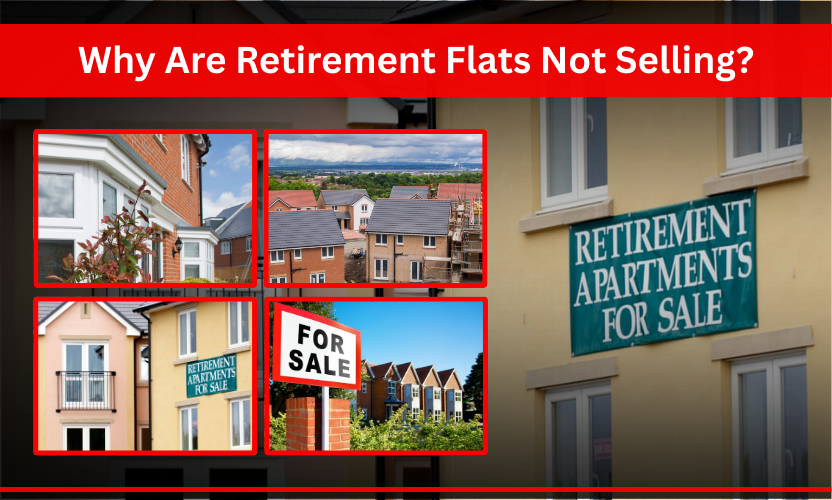
Why are retirement flats not selling? This is a question many UK property owners and families are asking when their retirement apartment sits on the market for months with little interest. While these properties are designed to offer secure and manageable living for over-55s or over-60s, their resale market works very differently from standard flats.
Retirement flats were designed to provide secure, low-maintenance living for people over 55 or 60. However, when it comes to resale, several structural factors can reduce demand. From age restrictions and mortgage limitations to service charges and exit fees, these properties operate under different market conditions compared to traditional leasehold flats.
This guide explains in detail why retirement flats are harder to sell, what affects their resale value, and what practical steps sellers can take if their property is struggling to attract buyers in the UK market.
How Retirement Flats Work in the UK
Before understanding the resale challenges, it’s important to understand how retirement properties are structured.
Most retirement flats:
- Are age-restricted (typically 55+ or 60+)
- Are sold on a long leasehold basis (often 99 or 125 years)
- Are managed by a management company
- Include ongoing service charges
- May include ground rent
- Can involve exit fees or deferred management fees
Many are located within retirement villages or purpose-built complexes offering communal lounges, landscaped gardens, lifts, emergency call systems, and sometimes restaurants or wellness facilities.
While these features are attractive to buyers seeking independent retirement living, they also increase the complexity of ownership, which can affect saleability.
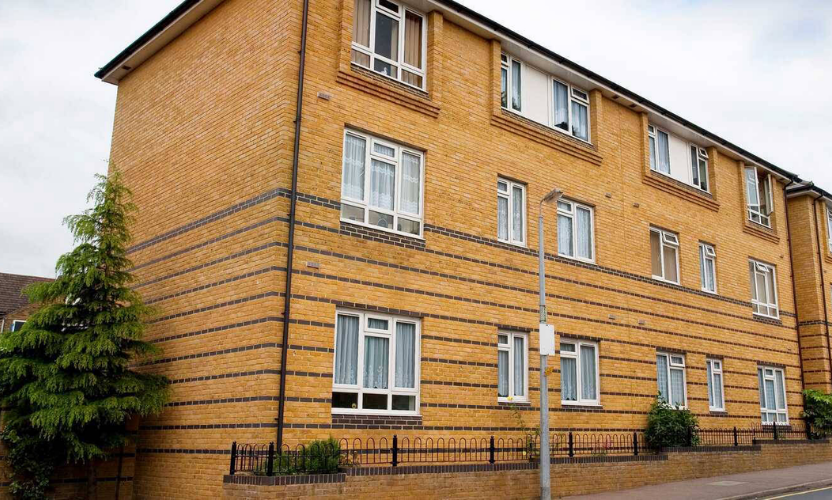
Why Are Retirement Flats Not Selling in the UK Property Market?
Retirement flats are harder to sell because they have a restricted buyer pool, higher ongoing costs, complex lease terms, and in some cases, limited mortgage availability. These factors reduce demand compared to standard flats on the open market.
Below are the main structural reasons affecting resale.
1. Limited Buyer Pool Due to Age Restrictions
The most significant factor is the restricted market.
Unlike a standard flat that can be purchased by any adult buyer, retirement flats are typically limited to individuals over a certain age. This dramatically reduces the number of eligible buyers.
For example:
- A 60+ age restriction removes first-time buyers.
- Younger investors cannot purchase.
- Families cannot buy for rental purposes (in most cases).
A smaller buyer pool means:
- Fewer enquiries
- Lower competition
- Longer time on market
- Reduced negotiating power for sellers
This is a fundamental liquidity issue. The property simply cannot appeal to the broader market.
2. Mortgage Restrictions and Lender Concerns
Getting a mortgage on a retirement flat can be more difficult than on a standard property.
Lenders assess:
- Resale risk
- Lease length
- Service charge affordability
- Exit fee structures
- Age eligibility criteria
Because retirement flats can be harder to resell in the future, some lenders view them as higher-risk security.
As a result:
- Fewer lenders operate in this space
- Deposits may be higher
- Mortgage terms may be shorter
- Buyers may need specialist lenders
If mortgage availability is limited, the pool of buyers shrinks further.
3. High Service Charges and Ongoing Costs
Service charges in retirement developments are often higher than in standard leasehold blocks. This is because they cover:
- Building maintenance
- Communal areas
- Staffing
- Security systems
- Emergency call systems
- Lift servicing
- Landscaping
While understandable, these costs can deter potential buyers.
Buyers today compare total monthly outgoings. If the combined cost of:
- Mortgage (if applicable)
- Service charge
- Ground rent
- Council tax
is significantly higher than a similar standard flat, affordability becomes a concern.
Rising service charges can also create uncertainty, especially where charges are variable.
4. Exit Fees (Event Fees or Deferred Management Fees)
One of the biggest resale concerns is the exit fee.
An exit fee, sometimes called an event fee or deferred management fee, is payable when the property is sold or transferred. It can be calculated as a percentage of the resale price or based on the length of occupancy.
In some developments, exit fees can be substantial.
This creates two problems:
- Sellers receive less net proceeds.
- Buyers worry about future resale costs.
Even when legal and disclosed properly, the existence of an exit fee can reduce demand.
5. Lease Length and Lease Extension Issues
Most retirement flats are leasehold.
Common lease lengths include:
- 99 years
- 125 years
- Occasionally 999 years
If the remaining lease term drops below around 85–90 years, mortgage lenders may become cautious. Buyers may also factor in the cost of a lease extension.
Lease extension complexity adds another barrier in an already restricted market.
6. Depreciation and Capital Growth Concerns
Some retirement flats do not experience the same capital growth as standard residential properties.
Reasons include:
- Restricted buyer demand
- Higher ownership costs
- Perceived resale difficulty
- Oversupply in certain areas
If resale values stagnate or decline, future buyers may hesitate.
In cases where the original purchase price was high, and resale values fall, negative equity can occur, making it difficult for sellers to move without injecting capital.
7. Additional Fees on Resale
Retirement properties may involve:
- Assignment fees
- Transfer fees
- Management pack costs
- Administration fees
While common in leasehold transactions generally, these additional charges can increase the total cost of selling.
Buyers increasingly request transparency around these fees before making offers.

Comparison: Retirement Flats vs Standard Flats
| Feature | Standard Flat | Retirement Flat |
| Buyer Pool | Open market | Age-restricted |
| Mortgage Availability | Broad lender access | Limited or specialist |
| Service Charges | Moderate | Often higher |
| Exit Fees | Rare | Possible |
| Capital Growth | Market-driven | Often slower |
| Resale Demand | Wider demand | Restricted demand |
This structural difference explains much of the resale challenge.
How Long Does It Take to Sell a Retirement Flat?
There is no fixed timeframe, but retirement flats can take longer to sell than standard properties in the same area.
Factors affecting sale time include:
- Local demand
- Price positioning
- Lease length
- Service charge level
- Exit fee structure
- Overall property market conditions
If a property receives little interest within the first 4–6 weeks of marketing, it may indicate a pricing or structural demand issue.
Checklist: Why Your Retirement Flat May Not Be Selling
If your property is sitting on the market, consider the following:
- Is the asking price aligned with recent retirement flat sales (not standard flats)?
- Is the service charge significantly above comparable developments?
- Is the remaining lease below 90 years?
- Are exit fees clearly explained in the listing?
- Is the property marketed specifically to eligible buyers?
- Has the management company provided a clear information pack?
- Are there ongoing major works planned?
- Is the local area oversupplied with similar units?
Addressing even one of these factors can improve saleability.
What Can You Do If Your Retirement Flat Is Not Selling?
Understanding why retirement flats are not selling allows owners to adjust pricing, transparency, and selling strategy more effectively. While structural factors cannot be changed entirely, sellers do have options.
Review Pricing Strategy
Pricing must reflect the restricted market. Comparing the property to non-retirement flats may lead to unrealistic expectations.
Improve Transparency
Providing full disclosure about:
- Service charges
- Ground rent
- Lease length
- Exit fees
can reduce buyer hesitation.
Consider Lease Extension (Where Viable)
If the lease is short, exploring extension options may increase attractiveness to buyers.
Specialist Marketing
Some agents specialise in retirement resale markets and understand how to target the appropriate demographic.
Auction
An auction can provide certainty of sale, although the final price depends on market appetite.
Explore Alternative Selling Routes
If the property is inherited and ongoing service charges are accumulating, some sellers look into alternative selling solutions rather than remaining on the open market indefinitely.
For example, if you are dealing with selling an inherited property or are struggling to get viewings, reviewing all available selling options may provide clarity.
Frequently Asked Questions
Are retirement flats hard to sell?
Yes, retirement flats can be harder to sell because they have a restricted buyer pool, higher ongoing costs, and sometimes complex lease structures.
Do retirement flats lose value?
Not always, but some retirement properties experience slower capital growth compared to standard flats due to limited demand and resale constraints.
Can you get a mortgage on a retirement flat?
It is possible, but mortgage availability may be limited to specialist lenders. Deposit requirements may be higher.
What is an exit fee on a retirement property?
An exit fee (or event fee) is a charge payable when the property is sold or transferred. It is often calculated as a percentage of the resale value.
Why are service charges so high on retirement flats?
Service charges often cover communal facilities, maintenance, staff, security systems, and building upkeep, which increases overall costs.
Can you rent out a retirement flat?
Many retirement developments restrict subletting. Lease terms should be reviewed carefully before considering a rental.
Is it better to avoid buying a retirement flat?
That depends on individual priorities. For lifestyle and community benefits, retirement flats can be attractive. However, buyers should understand the resale structure before purchasing.
Final Thoughts
Retirement flats are not unsellable, but they operate under a very different market structure compared to standard residential property.
Age restrictions, service charges, mortgage limitations, lease complexity, and exit fees all contribute to reduced demand. These are structural realities rather than temporary market fluctuations.
Understanding these factors allows sellers to make informed decisions about pricing, marketing, and selling strategy. If your retirement flat has been on the market for an extended period or you are facing rising ongoing costs, reviewing your options carefully can help you move forward with greater certainty.
In a restricted market, clarity and realistic positioning are key to achieving a successful sale. If you have been wondering why retirement flats are not selling, reviewing the structural factors outlined above can help you make an informed decision.
Many sellers ask the same question: why are retirement flats not selling when other properties in the area appear to move quickly? The answer usually lies in structural resale limitations rather than location alone.
